From Gravel to Greatness: Upgrading to Interlocking Paver Driveway Setup
Gravel has its charms till the 3rd freeze-thaw cycle turns ruts right into trenches and your front hall into a sandbox. I have reconstructed a lot more gravel driveways than I can count, and the tale seldom transforms. The first year looks respectable. By year 2, tires sculpt rippeds, weeds sneak in, and the snowplow swipes what the rainfall didn't. An effectively developed interlocking paver driveway, by comparison, behaves like a solitary, adaptable surface. It lugs hefty tons, loses water appropriately, withstands frost heave by design, and looks sharp on the first day and year fifteen.
The upgrade is not a little choice. It takes planning, good base construction, and an eye for information. However if you want resilience without the fractures you see in poured surface areas, interlacing pavers deserve a significant look.
What interlocking pavers in fact do
The pavers themselves are only the visible component. The system functions as a system. Interlocking concrete devices with spacer bars set regular joints. Bed linen sand cushions and straightens them. The base, effectively compacted accumulation, distributes lots and drains. Edging restraints secure the field in place side to side. Joint sand, swept and vibrated right into the joints, develops rubbing between pavers. That rubbing is the concealed stamina, the factor packed trucks do not shove the field out of alignment.
For property Driveway Paving Installation, 60 mm thick pavers handle vehicles and many light trucks. If you expect delivery van or frequent recreational vehicle traffic, I define 80 mm pavers and a larger base. The product sets you back a little bit more, but it is low-cost insurance coverage versus rutting or settlement.
Compared with asphalt or monolithic concrete, interlacing pavers accept motion. In environments with frost or large clays, that's a peaceful advantage. As opposed to one large slab that can split, you have thousands of small units that bend as the base breathes with dampness and temperature level swings. When energies require repair, crews can raise pavers, do their job, and re-install them without unsightly patches.
Where worth shows up, past looks
A fresh paver driveway adjustments curb allure immediately, however the practical benefits keep piling up:
- Snow removal is cleaner. Plow blades slide, and you do not sweep gravel out of your grass every spring.
- Traction improves. The microtexture of concrete pavers grasps tires better than smooth put surface areas, specifically in damp or icy weather.
- Drainage is less complicated to manage. With the ideal base and side grades, water goes where you want. Permeable paver versions go a step further and allow water pass through right into a crafted stone reservoir.
Clients call back years later on mainly to state the driveway still looks the method it did the week after mount. When interlocking systems age, they do it beautifully. You refresh polymeric joint sand every couple of seasons, area seal if you favor richer shade, and deal with the odd oil discolor the very same day.
Design choices that matter
A paver driveway is component design, part craft. The toughest styles are specific to website problems, not simply the Pinterest vision board.
Paver density and account. As discussed, 60 mm is standard for vehicles. I utilize 80 mm when anticipating factor tons at turn-arounds, high inclines, or constant service lorries. Rolled or chamfered sides can mask small negotiation and decrease chip risk at the corners.
Pattern and positioning. Herringbone withstands shear much better than running bond, particularly under turning tires near the garage door. For lengthy straight drives, a 45-degree herringbone separate the path feeling and spreads automotive pressures in multiple instructions. Boundaries in a contrasting shade frame the field and add restraint.
Color and appearance. Sun and roadway gunk mute intense tones with time. Mid-range grays, charcoals, and blended planet tones conceal tire dirt and dried salt better than extremely light or really dark units. Textured faces provide hold without coming to be a trap for shovels or strollers.
Edges and transitions. The spots that fail initially are constantly the sides. Usage durable concrete curbing or increased aluminum/steel restraints established into compacted base, not just right into bed linen sand. Shifts to a garage piece need a hairline growth gap, a tidy straight line, and exact altitude control to prevent a lip.
Drainage. A driveway is a roofing you park on. Provide water a strategy. A slope of 1.5 to 2 percent is common, yet existing topography will certainly guide that choice. Maintain water moving far from the house and towards a swale, dry well, or tornado system. In heavy clay soils, underdrains within the base stop perched water that can ice up and lift.
Permeable or traditional. Permeable interlocking concrete pavers, with open-graded stone in the joints and base, allow water infiltrate. Where regional codes urge seepage or where you intend to reduce topping from overflow, absorptive systems deserve the included base depth and upkeep programs. Traditional pavers with polymeric sand joints dropped water, which can be better on high slopes or under thick tree cover that goes down fines.
Turning gravel into a ready subgrade
A crushed rock driveway hardly ever has consistent depth or consistent gradation. Before you fantasize about patterns and colors, comprehend what is under your tires.
Start by penetrating. Drive a steel rod or rebar at a grid of indicate feel for soft pockets, old fill, or hidden organic matter. If your residential property sits on extensive clay, it will telegraph gentleness after a rainfall. Sandy loams drain quickly however can rut if not compressed. For frost-prone regions, intend on removing topsoil and all organics to reveal solid subsoil, then restore with well-graded, angular stone.
Depth issues. For passenger cars in moderate environments, I target 8 to 10 inches of compressed base under the 1 inch of bed linen sand and the paver density. In frost country or for larger loads, 12 to 16 inches is practical. That is compressed deepness, not loosened. An usual mistake is to order the exact numbers and fail to remember compaction minimizes volume by 20 to 30 percent. Order added, and aim for 95 percent Proctor thickness throughout the base.
Anecdote from a job in Vermont: a 1,200 square foot sloped driveway over silty soil. We pulled 14 inches of combined crushed rock and organics and rebuilt with 10 inches of 3/4 inch minus plus fines, compacted in four lifts, then 2 inches of 3/8 inch chip as a stabilizing top of base, 1 inch screeded bed linen sand, and 80 mm herringbone pavers. Plowing the following winter showed no blade babble and no visible shift at the garage apron.
Materials, quantities, and what they actually cost
Costs vary with area and market cycles, so assume in varieties. For conventional household Driveway Paving Installation with high quality concrete pavers, expect:
- Pavers: generally 4 to 8 dollars per square foot for mid-grade products. Costs appearances and multi-piece blends can reach 9 to 12.
- Base rock and bed linens sand: often 2 to 4 bucks per square foot integrated, depending upon deepness and trucking.
- Edging, geotextile fabric, and joint sand: approximately 1 to 2 bucks per square foot.
- Labor: for a pro staff, 6 to 14 dollars per square foot based on accessibility, cuts, contours, and site job complexity.
DIY can cut labor, yet plan for devices leasing and time. A small plate compactor, a saw with a wet-cut blade, string lines, screed rails, and a transportation or laser degree all make their keep. I have actually seen passionate DIY tasks stall when people ignore base excavation or the tedium of reducing a clean soldier course around curves. If the driveway exceeds regarding 700 square feet or consists of significant quality adjustment, a lot of property owners are better working with a crew.
A note on geotextile. Under the base, nonwoven geotextile protects against the stone from pumping right into the Helpful resources subgrade. On clay or in old crushed rock driveways with mixed penalties, it is economical insurance coverage. It additionally speeds compaction by separating penalties from your angular stone.
The build, phase by phase
Excavation and subgrade preparation established the tone for every little thing that complies with. Strip organics, dig to the planned deepness plus an extra 6 to 12 inches beyond the finished side to sustain restrictions, and form a regular slope. Proof roll the subgrade to identify soft areas. Undercut those and replace with compacted rock. Lay geotextile textile tight to the dirt, overlapping seams by at the very least a foot.
Base setup takes place in lifts. Location 3 to 4 inches of well-graded, angular stone, then portable up until the maker adjustments tone and the surface tenses. Repeat till you reach the layout altitude, maintaining the incline regular. For long drives, I run string lines and inspect frequently with a laser. Do not make use of pea gravel or any type of rounded rock in the base. It will never ever secure and will continue to shift.
Bedding sand is not a cushion for sins below. Usage concrete sand, screeded to a real 1 inch. Establish pipes or screed rails at the appropriate height, draw a straightedge to develop an also aircraft, and work in sections you can lay pavers on the same day. Do not walk on screeded sand; it develops soft pockets that telegram later.
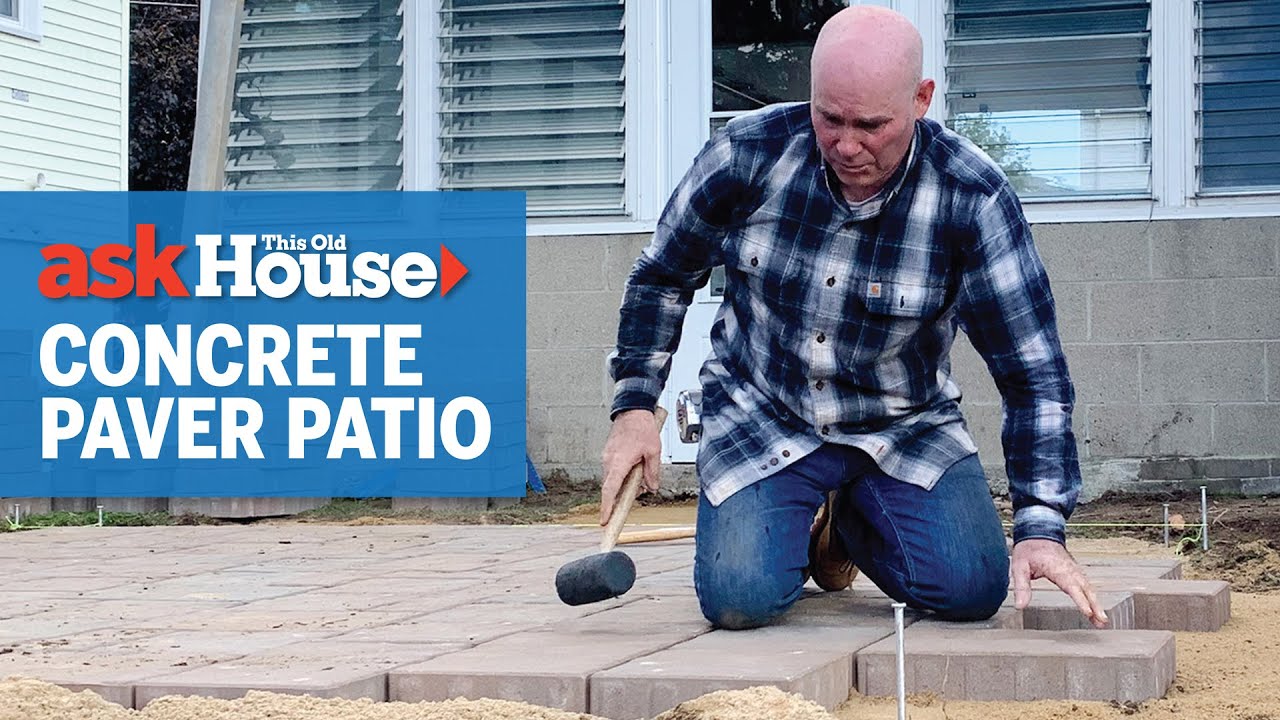
Laying the field starts from a right, well-controlled side. I choose to set a header or boundary first, after that run the area pattern off that control line. Keep joint lines limited and regular. Surprise splices when opening up multiple pallets so color blends naturally. As you lay, inspect the pattern against barriers like cleanouts or light blog posts to avoid small slivers that chip later.
Cutting and sides make or break the appearance. Damp saws offer the cleanest cuts and control dust. For curves, a series of small straight cuts after that a mild polish pass produces a tight line with marginal damaging. Mount side restrictions on compacted base, not on bed linen sand, and increase them hard. Backfill outside of the restriction with base stone and small to lock it.
Compaction and jointing connect the system together. Run a plate compactor with a safety pad over the laid field to seat the pavers right into the bedding sand. Move in jointing sand, then small once again to vibrate sand deep right into the joints. I frequently favor polymeric sand for driveways, turned on with a light haze. It resists washout and weeds better than plain sand if used in dry weather condition with careful cleanup.
Final checks matter. Run your hand across transitions to the garage or road to really feel for lips. Flooding examination problematic spots with a hose pipe to validate water moves as meant and does not pond. Change where possible before the sand is fully locked.
A small planning checklist
- Confirm subsoil kind and water drainage course prior to finalizing base depth.
- Choose paver density and pattern based upon expected lots and transforming areas.
- Plan edges and changes with precise elevations, not approximations.
- Decide conventional vs permeable early, because base layout modifications substantially.
- Order 5 to 10 percent added pavers for cuts and future repairs.
Integrating the walkway and front entry
Driveways established the tone, however the primary step from cars and truck to door determines exactly how the project really feels. Bringing the exact same palette right into Walkway Paving Installment creates an aesthetic thread while enabling useful distinctions. On walks, thinner 60 mm pavers are almost always enough, and patterns can change to a running bond or basketweave that matches a herringbone drive. Maintain the sidewalk somewhat crowned or pitched so water leaves the surface, especially under roof eaves.
Where a pathway branches from the driveway, offer it a distinct junction. I like to make use of a soldier training course boundary that runs continuous around both surfaces so the eye reads one natural design. If steps are required, pour concrete risers or develop solid block steps under the pavers instead of counting on stacked pavers alone. The latter will certainly loosen with freeze-thaw and foot traffic.
Lighting is simpler to add during installment. Low-voltage channels under the base let you include course lights or tip lights later without saw cutting. For utility crossings like irrigation lines, hide sleeves prior to you compact the base.
Drainage mistakes, and just how to avoid them
Driveways typically sit lower than the street and higher than the yard. That welcomes trouble if you ignore where water intends to go. 2 patterns recur.
First, the garage front door lake. The driveway inclines toward your house for the last few feet, or has a small dip that captures meltwater. Fix it theoretically by establishing the garage apron altitude early and pitching the driveway away at a regular 1.5 to 2 percent. Where lot restrictions compel a back pitch, a trench drain at the apron linked to a completely dry well is far better than hoping for the best.
Second, the swale dam. A brand-new driveway converges a lawn swale, then side restrictions imitate a berm that sends out water throughout the driveway or onto a next-door neighbor's building. The remedy is basic preparation. Lower an area of the side with the swale, enlarge the base, and maintain the swale grade under the drive. This is extra excavation and material, yet it protects against disintegration and neighborly disputes.
Permeable systems alter the conversation by saving and penetrating water, however they are not a magic bullet. Do not place absorptive bases in high groundwater or on hefty clays without underdrain alleviation. The joint rock will obstruct under hefty leaf fall otherwise kept. Decide with dirt tests, not marketing brochures.
Common mistakes that set you back money later
- Skipping geotextile on suspect subgrades, leading to base contamination and settlement.
- Using rounded pea gravel in the base, which never compacts into a secure layer.
- Placing side restraints on bed linen sand as opposed to compressed base, welcoming creep.
- Rushing compaction, especially at transitions, creating lips and journey points.
- Ignoring shade blending by laying one pallet at a time, which generates blotchy fields.
Maintenance that keeps the surface area tight
A paver driveway is reduced maintenance when constructed right. Reduced does not imply no. Every one to three years, relying on web traffic and climate, evaluate joints and top up polymeric sand where required. Maintain joints complete. That is the solitary finest protection versus weed growth. Stress laundry sparingly, with a broad follower and moderate pressure. You aim to clean the surface, not erode the joints.
Oil and corrosion stains respond best to quick action. Blot fresh oil, then utilize a paver-safe degreaser. For rust from yard furnishings or lawn sprinkler water, oxalic acid cleaners function, but wash completely and re-sand joints if you clean strongly. Efflorescence, a white haze from moving salts, can show up in the initial season. It discolors normally, or you can treat it with purpose-made cleansers once the pavers and sand are fully cured.
Winter brings salt and freeze-thaw. Many top quality pavers stand up to deicing salts, however calcium magnesium acetate is gentler if you wish to be cautious. Usage plastic shovels or establish the snowblower skids somewhat high to avoid scuffing. A well-compacted base and appropriate jointing make blade chatter rare.
Repairability and lifespan
One of the genuine enjoyments of interlocking systems is exactly how they manage damage. If a delivery van goes down a pallet edge and chips a couple of units, you draw the afflicted location, swap pavers, re-sand, and the fixing is unnoticeable. If settlement happens as a result of a missed out on soft area, you can raise a panel, deal with the base, and relay the very same pavers. Attempt that with asphalt.
Expect a 25 to 40 year service life for the paver systems themselves, occasionally much longer. The base, if built deep and completely dry, will last longer than the surface. Joints will certainly require routine refreshing. Securing is optional. It deepens color and can minimize staining however requires reapplication every few years. If you like the natural matte appearance and very easy breathing of the surface area, miss sealer.
Permits, codes, and neighbors
Municipalities and HOAs often have point of views concerning paving products, driveway width, and water drainage. Examine early. Some communities offer stormwater credit scores for permeable pavers. Others call for a driveway apron information at the street or specific problems. For rural drives, think about where snow storage lands so you do not hide a fire hydrant or block sightlines.
Construction noise and dirt are momentary however actual. Excellent contractors manage dust with water during saw cuts and maintain the website clean. If you DIY, intend the logistics. Staging pallets close to the job saves days of wheelbarrow hauls. Safeguard existing concrete and asphalt from scratchy pallets and roaming rock with plywood.
A job tale, numbers and outcomes
One of my favored upgrades involved a 90 foot L-shaped crushed rock drive with a limited bend near the garage. The owners hosted huge family members celebrations and were tired of dust. Their kids tracked grit right into the mudroom constantly. The website had a mild cross incline toward a rainfall yard, which we used to our advantage.
We removed 12 to 14 inches across 1,800 square feet, located a couple of soft capillaries of old topsoil near the bend, undercut and changed those with compressed stone. A nonwoven geotextile divided subgrade from base. We developed 12 inches of compacted base stone, then 1 inch of bed linens sand. The area pattern was 45-degree herringbone in a blended charcoal, with a lighter gray boundary that matched their deck stone. At the garage apron, we established a true zero-lip shift. Overall mount time with a four-person team, equipment, and two stormy days was nine functioning days.
The proprietors added a sidewalk that branched from the driveway to a side gate. We changed to a running bond pattern on the walk with the same boundary color, and we put avenue for future course lights under the base. Throughout the first winter, the hubby phoned call to claim plowing took half the time, and the mudroom rug stayed clean for the initial season considering that they bought your house. That is the sort of enhancement you can measure on a schedule and a vacuum cleaner bag.
DIY or work with a crew
If you have strong excavation abilities, a comfort degree with grades, and a couple of able assistants, a little straight driveway is accessible. Prepare for long days and sore shoulders. The much heavier and much more complicated the layout, the even more an expert team gains its cost. Pros bring compaction screening by experience, not simply variety of passes. They find drainage traps before they become ice patches. They make the cuts that divide a tidy edge from a jagged guess.
I often suggest home owners deal with the design and material choice, after that generate a contractor for the base and paver setting. That hybrid paver driveway Walnut Creek strategy allows you handle costs while making certain the critical layers meet spec.
Sustainability and product choices
Concrete pavers are energy extensive to make, however several producers incorporate recycled aggregates or concrete replaces to reduce embodied carbon. Absorptive systems reduce overflow and aid recharge groundwater. Locally sourced base rock cuts trucking discharges. For lengthy drives, straightforward patterns with very little cutting reduce waste. Select pavers with limited dimensional control and frost-resistance ratings proper to your climate to stay clear of early replacements.
If you replace an old gravel drive, do not squander the existing stone. Tidy, angular material can be reused as part of the new base if it fulfills rank and sanitation requirements. Rounded or filthy product belongs elsewhere, not under your pavers.
Bringing everything together
Upgrading from gravel to interlocking pavers modifications daily life in little manner ins which accumulate. You park on a surface that looks calculated and works with your residential or commercial property, not versus it. Tires do not spray pebbles. The initial step out of the automobile is solid and clean. Snow does not claw up your yard. And if something under the surface needs interest, you do not encounter a complete tear-out to repair a small issue.
Executed with treatment, a paver driveway acts like a well-built road scaled to a home. Respect the base, provide water a path, secure the sides, and your Driveway Paving Setup will lug the years with peaceful self-confidence. If you extend the combination to your entry course with thoughtful Walkway Paving Installment, the entire approach to your home will certainly feel composed and useful. That is the jump from crushed rock to greatness, not simply for appearances, but for exactly how the location functions day after day.
Corrections
Spot something wrong? Send it to the desk and it gets fixed in the open.